Try Valley
Put your outbound workflow to work.

Saniya Sood
Published:
Updated:
Published February 17, 2025 · Updated August 31, 2026
The short version of this page’s argument: intent without execution is trivia, and execution without intent is spam - the tools worth buying close that loop. Where Valley sits: signal-to-meeting is Valley’s product. The context pages: what an AI SDR is, the buying-signals guide, and integrating AI SDRs with LinkedIn.
In the competitive environment of B2B sales, using Artificial Intelligence (AI) in Sales Development Representative (SDR) roles has become essential for optimizing outbound sales strategies.
By using intent data, businesses can enhance lead generation, personalize outreach, and improve conversion rates on platforms like LinkedIn.
Below is a curated list of the tools changing LinkedIn outreach through intent data:
1. Valley
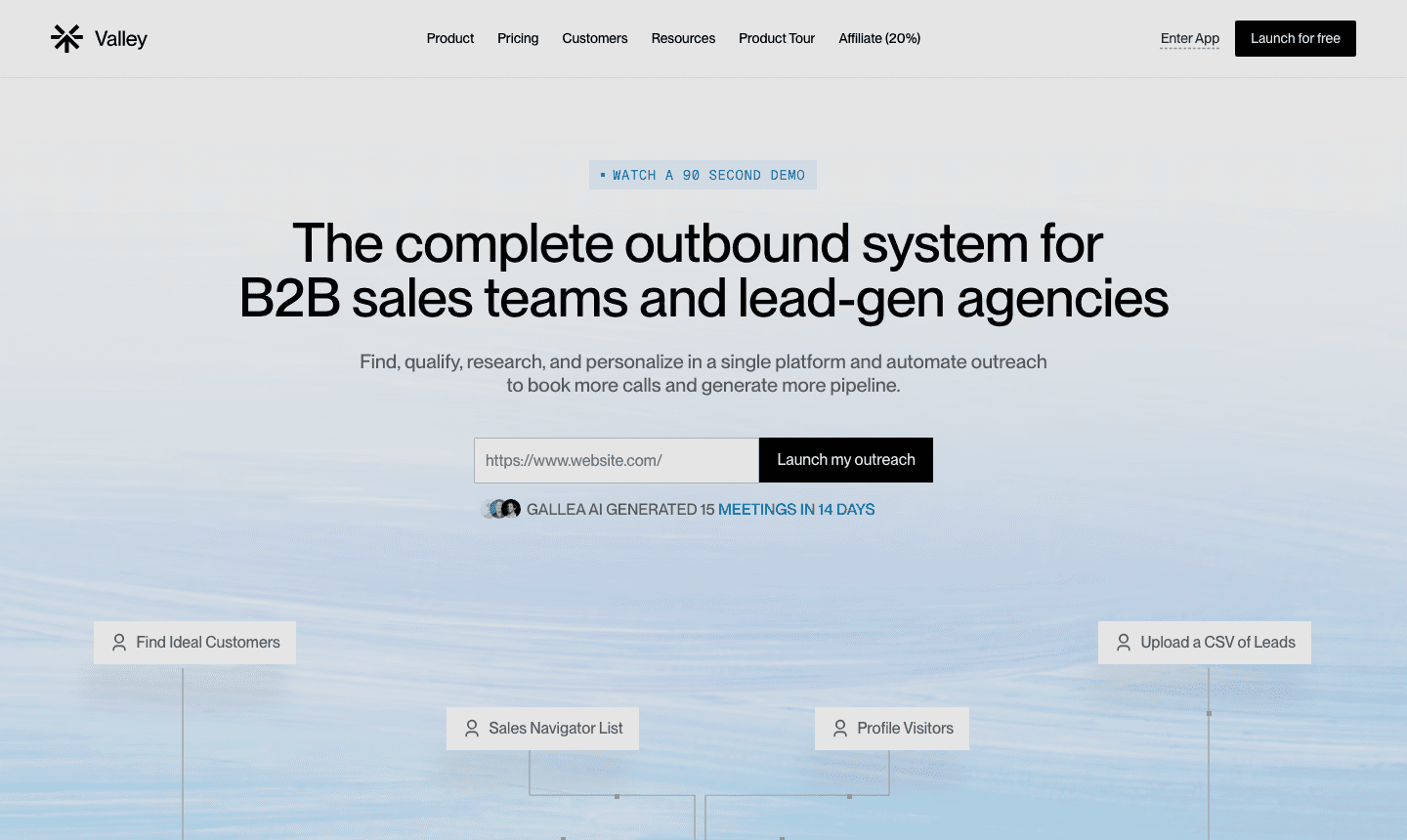
Valley is the one tool on this list that is not an AI SDR: you approve every message, or you let them flow, and the research behind each one is visible before it sends. Key features include:
Intent-Based Outreach: Valley analyzes behavioral signals to identify high-intent prospects, enabling sales teams to prioritize leads with a higher likelihood of conversion.
Outreach Across Email and LinkedIn: Connection requests, messages written in your voice, and follow-ups run in one sequence, and you approve every send.
Per-Person Research: Valley reads 200+ sources on each prospect before writing a word, so every message references something true about that person.
Smooth CRM Integration: Valley integrates smoothly with existing CRM systems, ensuring a unified approach to lead management and sales tracking.
The result is the one number that is a multiple, not a margin: 15-45% reply rates against a category average of about 2%.
2. Breakout
Breakout is an inbound AI SDR that covers the intent source the other tools on this list don’t: your own website. Most high-intent activity never identifies itself: visitors read the pricing page, compare you against a competitor, and leave without filling in a form. Breakout resolves that anonymous traffic, engages qualified visitors in real time, and turns a single site visit into a coordinated follow-up across the buying committee. Key features include:
Visitor Identification: Resolve anonymous website traffic to company and, where available, individual level.
First-Party Intent Scoring: Weight signals by what the visitor actually did (pricing views, comparison pages, repeat sessions) rather than inferred topic data.
Live Engagement and Booking: AI agents qualify handraisers on the page and book the meeting before the visitor leaves.
Inbound-to-Outbound Handoff: Push identified accounts and contacts into multi-channel outreach, including LinkedIn, while the signal is still fresh.
Best for: Teams that want their outreach triggered by real website behavior instead of cold list building.
3. UserGems
UserGems offers an AI-powered sales intelligence platform that helps sales teams identify and connect with high-potential buyers. Notable features include:
Buyer Intent Signals: UserGems tracks actions such as content downloads, website visits, and social media engagement to surface promising opportunities.
AI-Powered Lead Scoring: The tool assigns scores to accounts and prospects based on intent signals and other relevant data, aiding in the prioritization of outreach efforts.
Automated Personalized Outreach: UserGems suggests personalized email messages and triggers automated workflows based on specific buying signals, ensuring timely and relevant communication with prospects.
By using UserGems, sales teams can enhance their efficiency and effectiveness in connecting with prospects demonstrating genuine interest.
4. LeadRebel
LeadRebel specializes in intent-based marketing, providing tools to identify and engage with prospects showing active interest. Key functionalities include:
Intent Data Analysis: LeadRebel gathers and analyzes behavioral data, such as search queries and page visits, to understand user intent and tailor outreach accordingly.
Personalized Content Delivery: The platform enables the creation of customized content that resonates with individual prospects, enhancing engagement and response rates.
Automated Outreach Campaigns: LeadRebel automates the distribution of personalized messages, ensuring consistent and timely communication with potential clients.
By focusing on intent data, LeadRebel helps businesses cut through the noise and connect with prospects at the right moment with the right message.
5. Lead Onion
Lead Onion offers a reliable platform that uses intent data to enhance outbound sales efforts. Its features include:
Multi-Source Intent Data Aggregation: Lead Onion collects intent signals from various sources, providing a complete view of prospect behavior and interests.
Real-Time Alerts: The platform sends notifications when prospects exhibit high-intent behaviors, enabling timely and relevant outreach.
Personalized Messaging: Lead Onion utilizes intent data to craft customized messages that address the specific needs and pain points of each prospect.
By integrating Lead Onion into their sales strategy, businesses can improve lead quality and accelerate the sales cycle through data-driven decision-making.

Give your sales team
an unfair advantage.
Intent data encompasses behavioral signals indicating a prospect’s readiness to engage or make a purchase. On LinkedIn, these signals can include:
Profile Views: Frequent visits to your profile suggest interest in your offerings.
Content Engagement: Likes, comments, and shares on your posts indicate active interest.
Connection Requests: Inbound requests from prospects can signal intent to engage.
Group Participation: Active involvement in industry-related groups reflects a prospect’s focus areas.
Website Behavior: The strongest signal of all sits outside LinkedIn. A prospect reading your pricing page or comparison content is further along than one who liked a post, and tools like Breakout identify that visitor so you can act on it while the intent is live.
By monitoring these behaviors, sales teams can tailor their outreach to align with the prospect’s current interests and needs.
Utilizing Intent Data for Personalized Outreach
Using intent data allows for the crafting of highly personalized messages that resonate with prospects. Here’s how to utilize these insights:
Identify High-Intent Prospects: Use AI tools to analyze engagement patterns and pinpoint prospects demonstrating strong intent signals.
Tailor Your Messaging: Develop content that addresses the specific interests and pain points identified through intent data analysis.
Optimize Timing: Reach out when intent signals are fresh, increasing the likelihood of engagement. This matters most for website signals, which decay within hours rather than days: a prospect who visited your pricing page this morning is a different prospect by next week.
Implementing these strategies can lead to more meaningful interactions and higher conversion rates.
Incorporating AI SDR tools that leverage intent data into your LinkedIn outreach strategy can significantly enhance lead generation and sales performance.
By focusing on prospects’ demonstrated interests and behaviors, businesses can deliver personalized experiences that resonate, build trust, and drive conversions.
Valley built the loop this article describes: find the people showing intent, research each one, and send them a message they will answer, across email and LinkedIn.
Valley's platform is designed to smoothly integrate with your existing sales processes, offering automated prospecting, personalized messaging, and in-depth analytics to drive your B2B lead generation efforts.
Book a demo (teams of 5+), or start the free 7-day trial below and see the research depth in your first drafts.